The room on the wall
For seventy years a television has been a thing a room looks at. The interesting question for a screen in a bar is what happens when the room can look back.
Most of what makes a place feel like a place is the people in it. A screen that only shows the venue's own content, however good, is talking at them. The scenes here that people remember are the ones where the guests end up on the wall.
Shout-outs, approved first
A code on the screen. Someone texts a birthday, a congratulations, a message to the table by the window. It lands in the app, staff approve it, and it goes up in a brand-coloured card with confetti. The approval step is the whole product. Nobody is going to put an unmoderated text box on a television in a family restaurant, and nobody should. The moment there is a tap between the phone and the wall, a shout-out becomes something a venue can run every night.
The photo wall
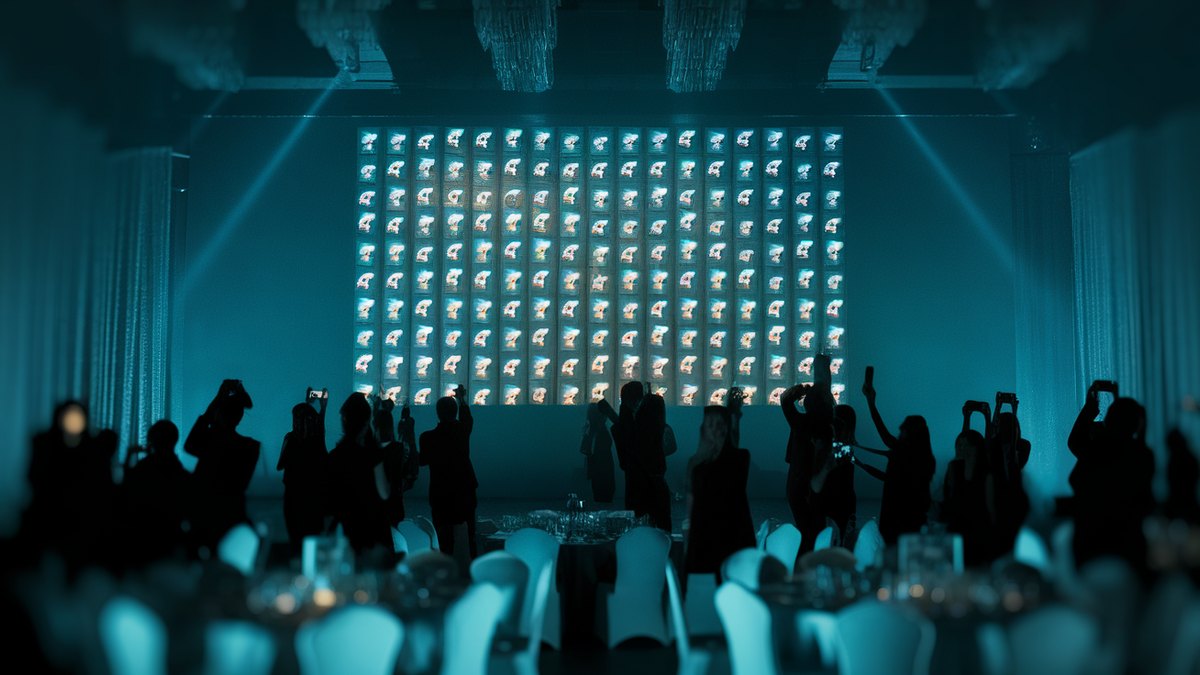
Scan, snap a photo, add a line, and it goes up for everyone in the room. Tables fill it through the evening. It is the same principle as the Instagram wall, where tagged photos of your food appear minutes after they post, except the room is the photographer and the subject is itself.
Where are you from?
A map. Guests drop a pin on their hometown and the whole room sees how far people came. It is a small thing that starts more conversations between tables than anything else on the platform, and it costs the venue nothing to run.
Asking instead of shouting
The room can also ask the wall for things. A regular requests a game instead of flagging someone down; the bar sees the tally and grants it in one tap. Someone with a slip riding on the match opens the voice room for that game. The same code that lets you cheer lets you take part, and the house decides what gets through.
None of this needs a person to run it. It needs a screen that can take input, a phone that is already in every hand, and a venue willing to let the room be part of the show. The last one was always the hard part. The first two are done.
← All notes