Screens
A five-digit code, and the screen is yours
A new screen shows a code. Give it to the agent and it is named, zoned and working. No computer behind each TV.
What we've learned building screens for rooms that are actually busy. Opinions, mostly, with the reasoning shown.
A new screen shows a code. Give it to the agent and it is named, zoned and working. No computer behind each TV.
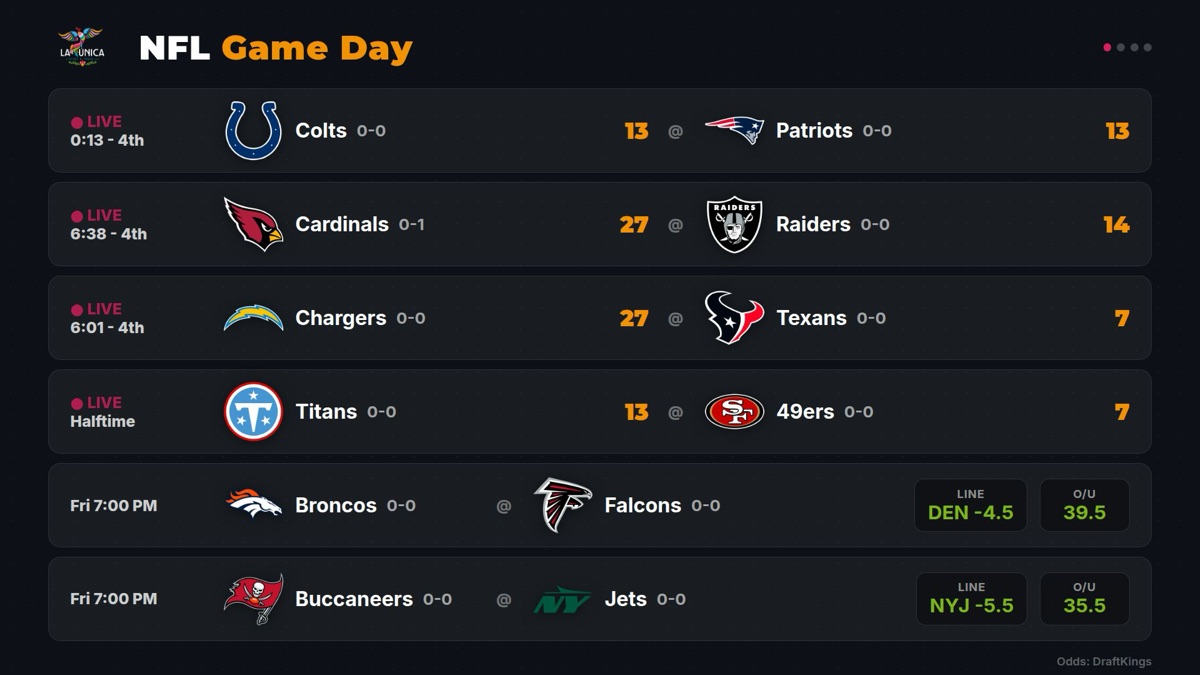
Crests and a score when a game is on, a poster for a series, the logo otherwise. From channels that only tell us their name.
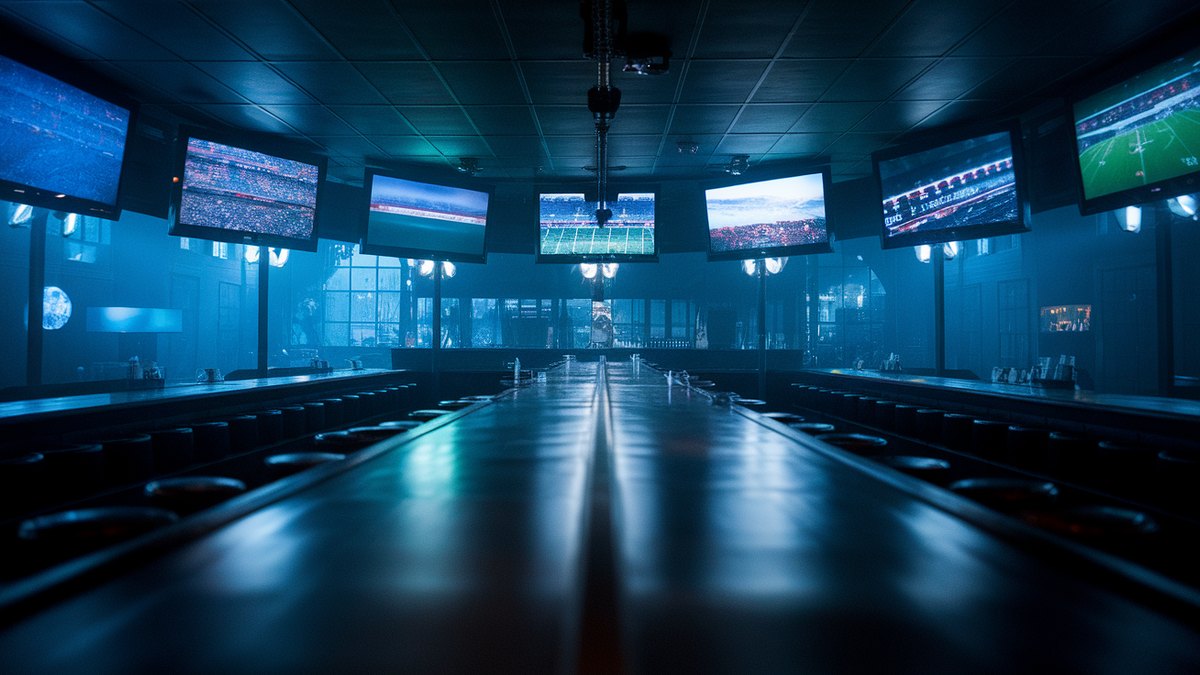
Every TV its own game, in kickoff order. The bar centre stays on your logo and the game-day specials.
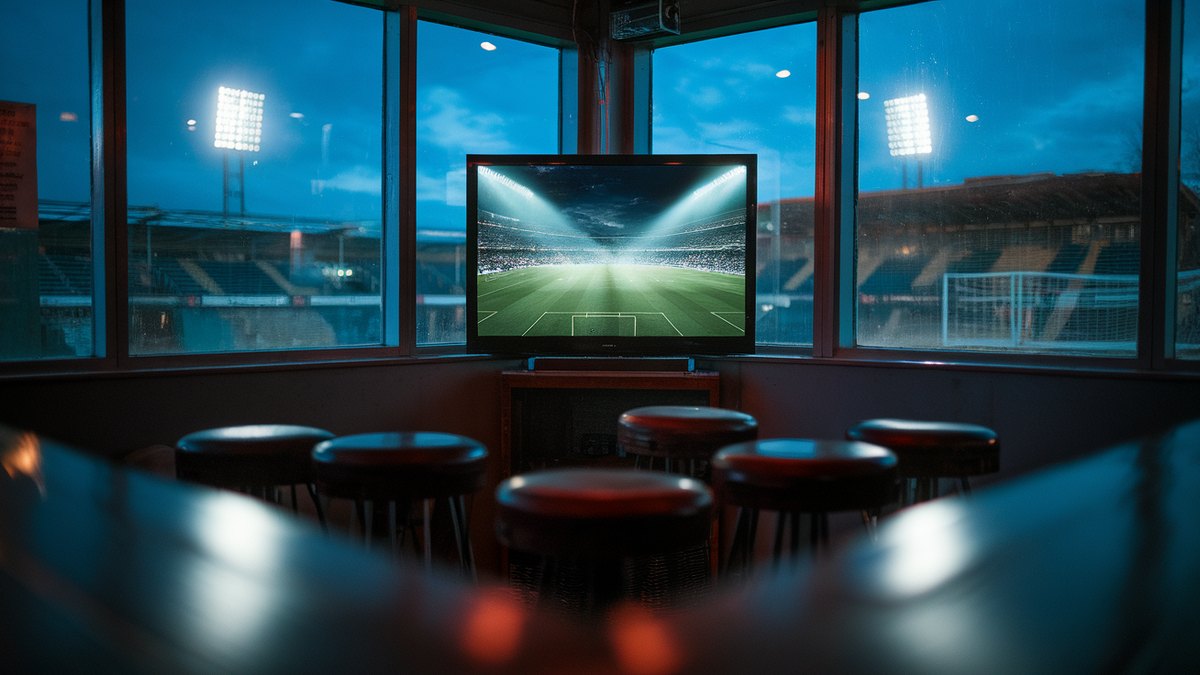
Follow a team. When they are live on a channel you carry, the screens you chose swing to the game and let go at full time.
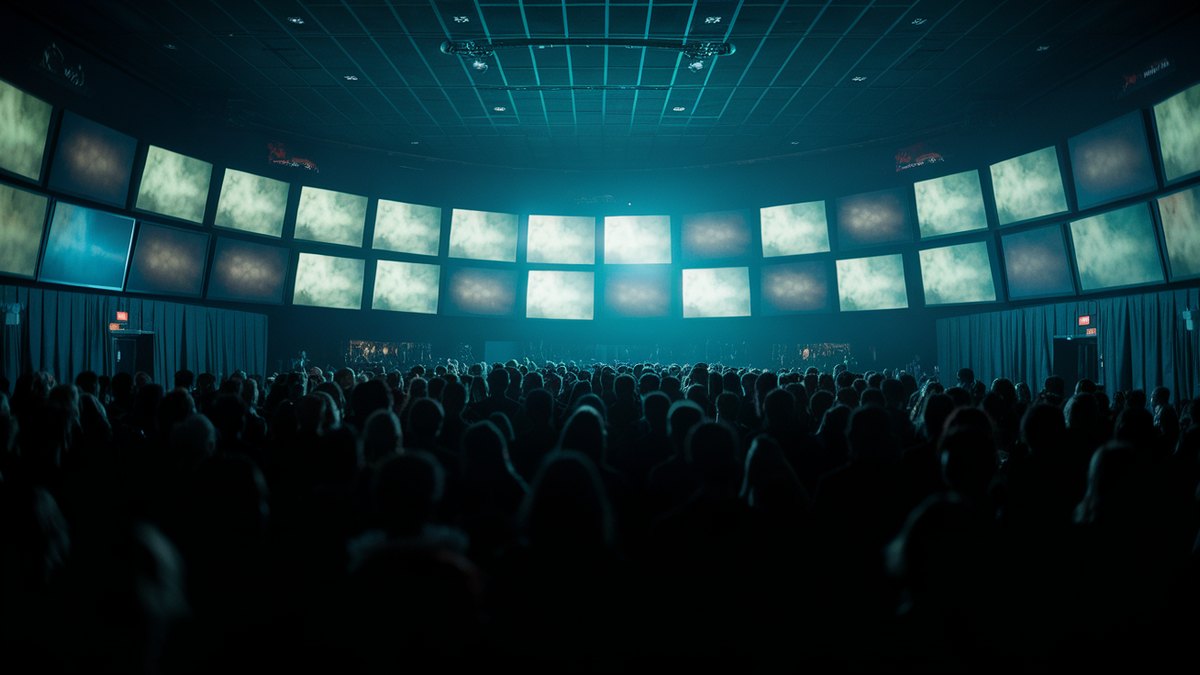
One slide across the whole room for as long as you say. When it ends, every screen goes back to exactly what it was doing.
A thirty-scene loop is a lottery. The day on a timeline is what makes a screen say the right thing at the right hour.
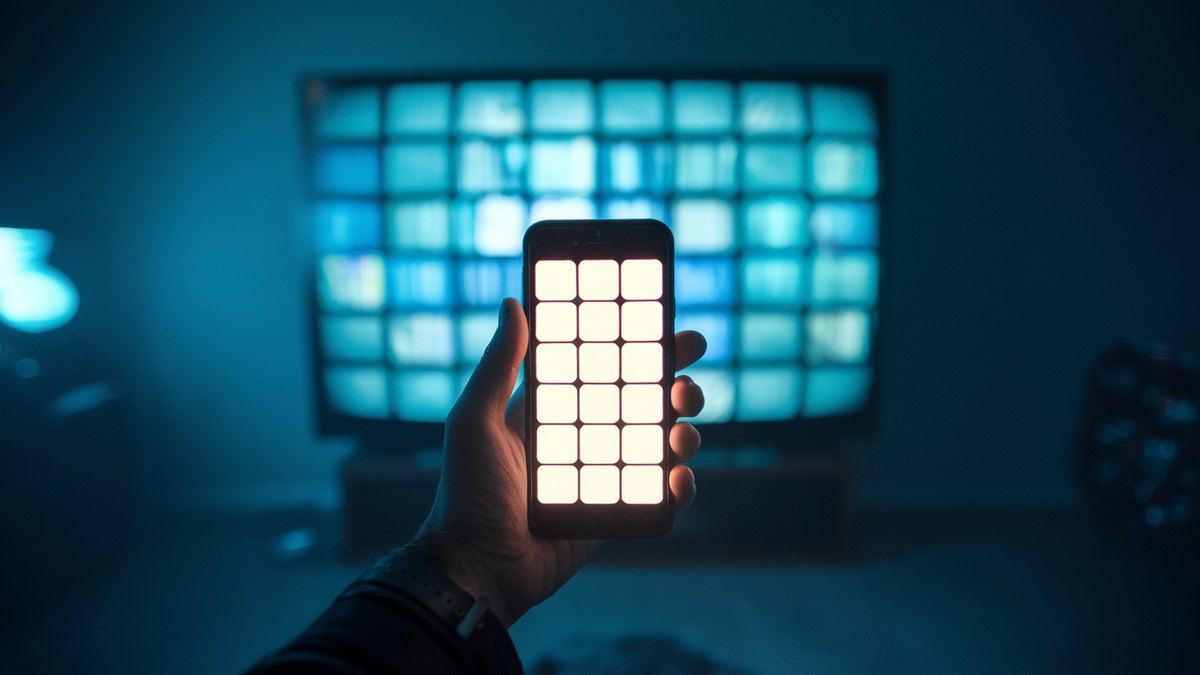
The phone asks what the screen is showing and draws the buttons that scene means. Trivia gets Reveal. A channel wall gets the channels.
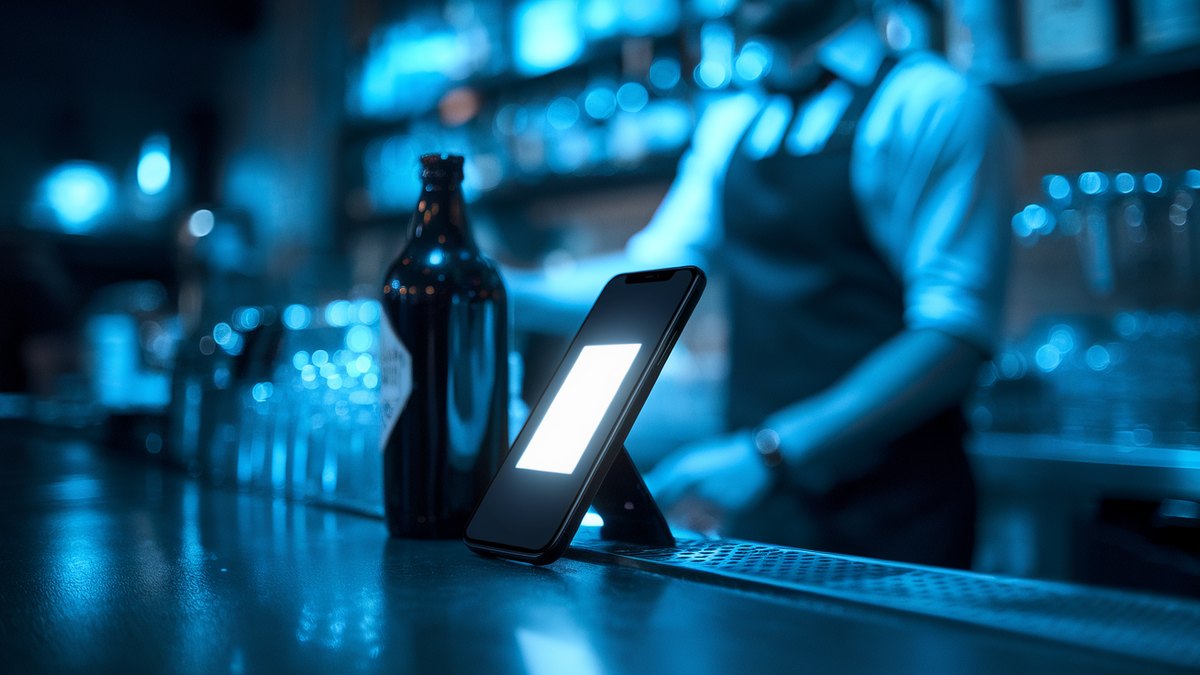
Say it in a sentence. It reads the screens, proposes the change as a card, and waits for your tap. Nothing moves until you say so.
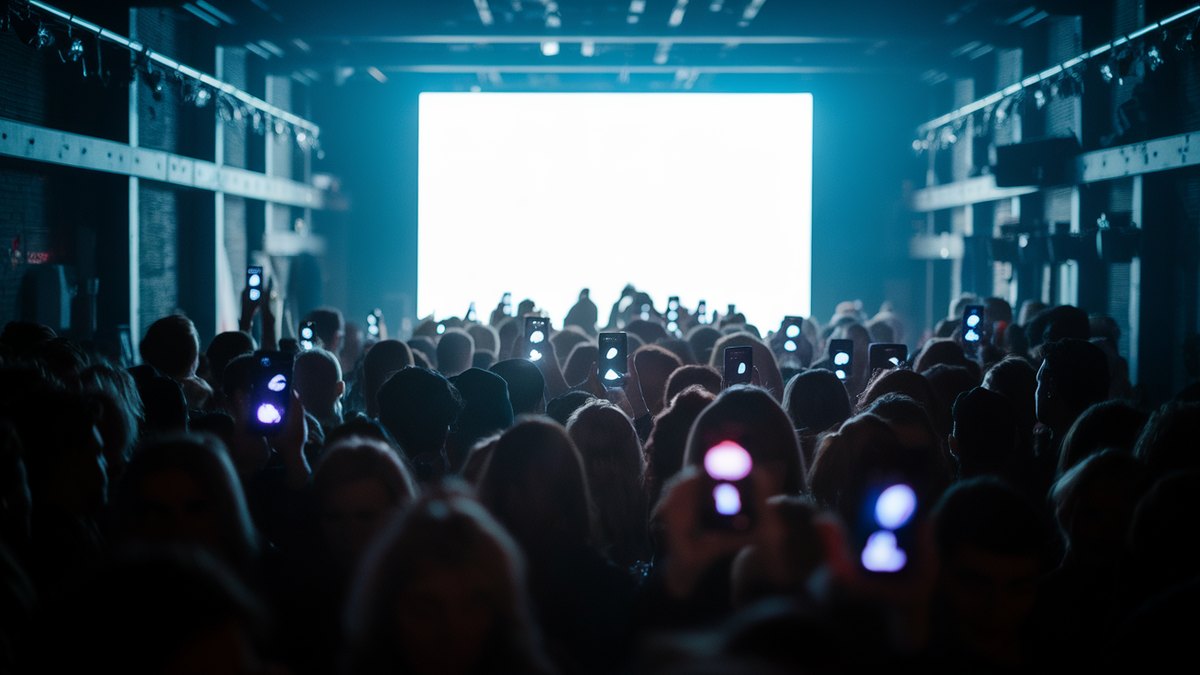
Trivia, music trivia, loteria and bingo with no host. Every phone is a buzzer, the big screen keeps score.
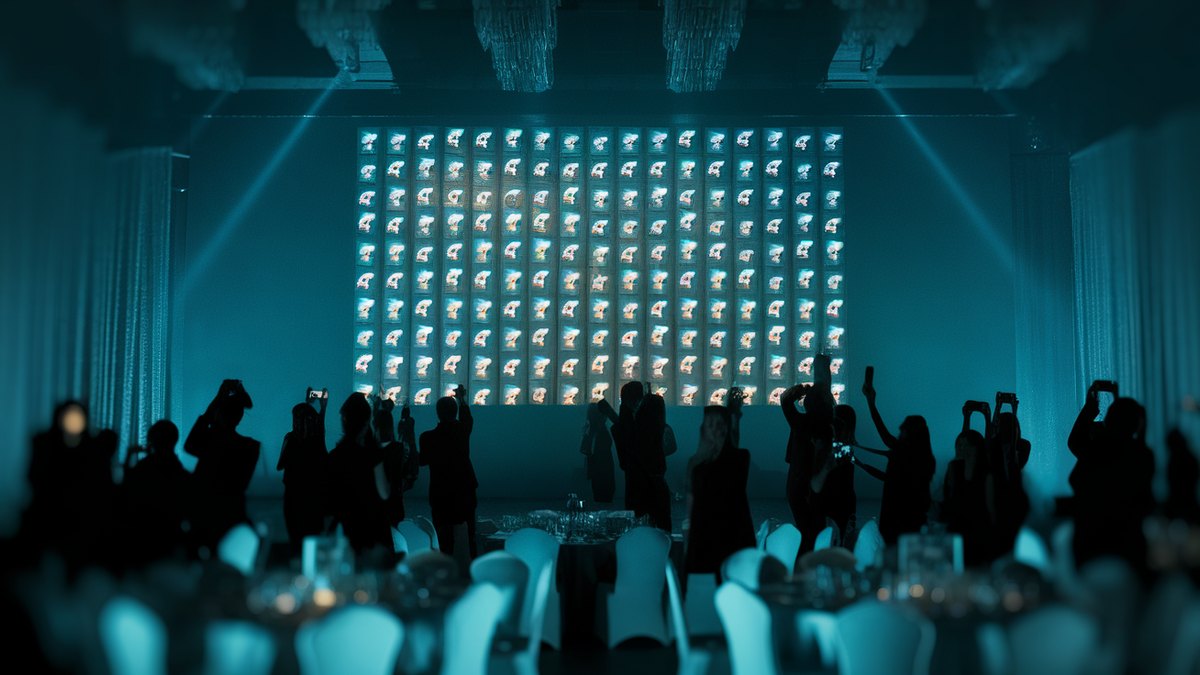
Shout-outs the room texts in, approved first. A photo wall guests fill from their own phones. The wall becomes something the room is in.

A TV app is a web page. Build one and it runs on every venue at once.
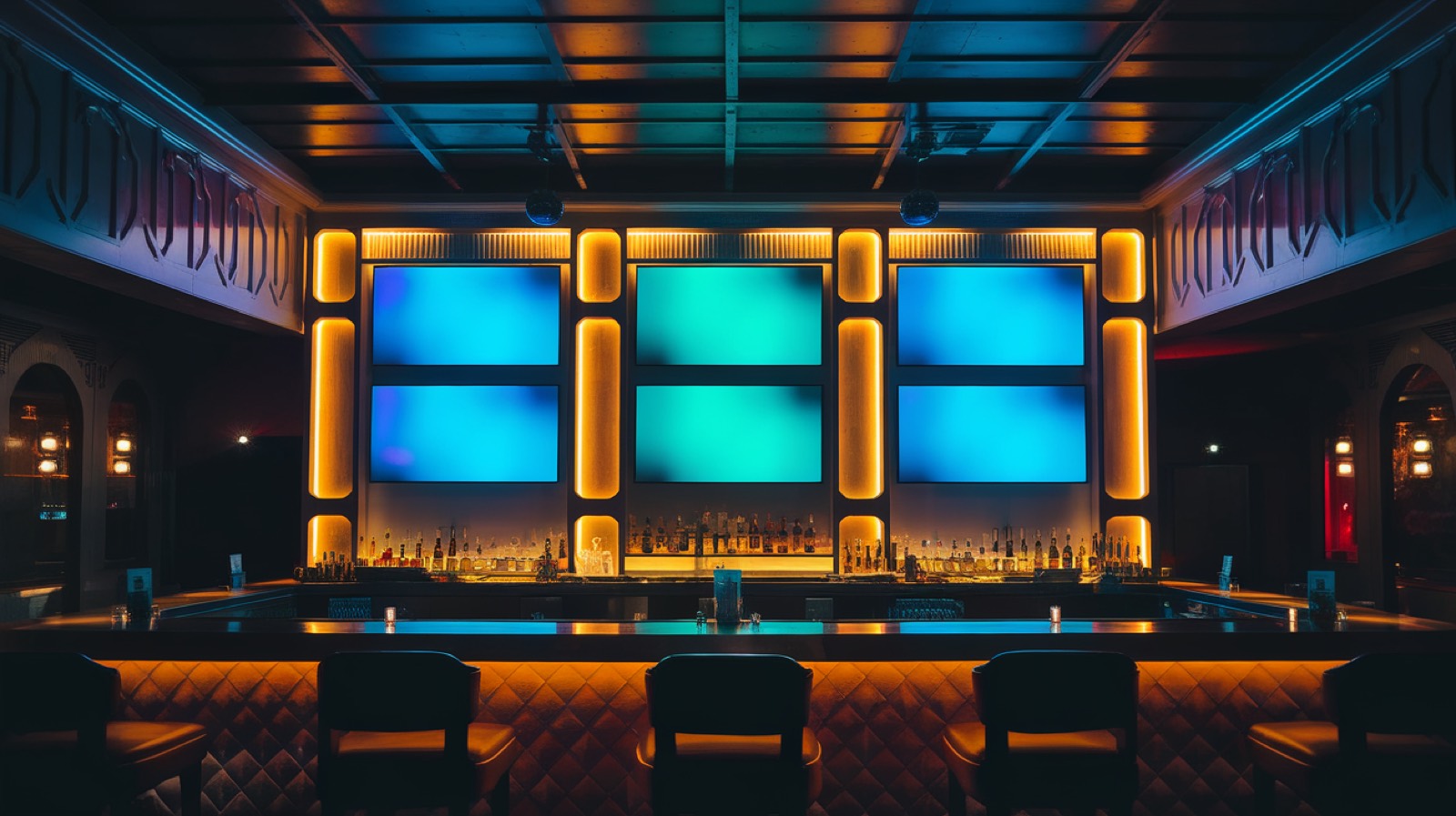
Don't rebuild cable. Build the AI layer that live television never had.
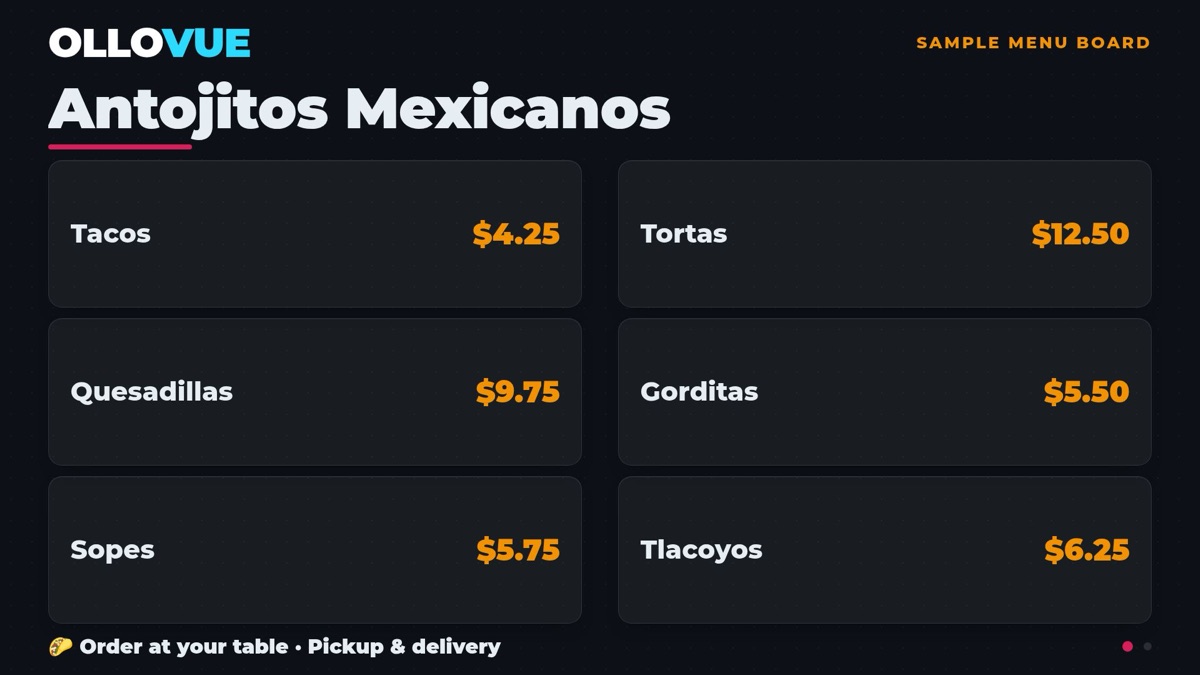
Most digital signage is a slideshow of pictures of a menu. That is why it is always slightly wrong.
You own screens in a room full of the exact customers the businesses beside you are paying to reach.
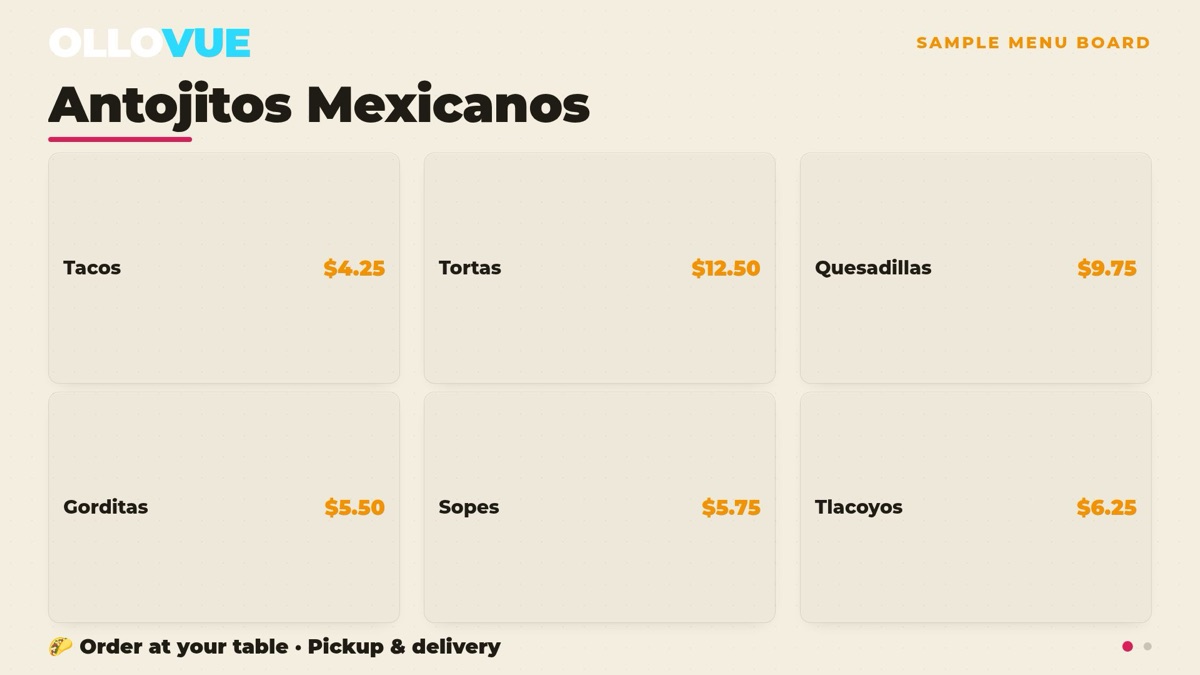
Layout and colour are different questions. Keeping them apart turns five looks into twenty-five.